


Go Back Go Back Go Back Go Back Go Back Go Back Go Back Go Back Go Back Go Back Go Back Go Back Go Back Go Back
Stronger Shines the Light Inside














Angie Smith Angie Smith Angie Smith Angie Smith Angie Smith Angie Smith Angie Smith Angie Smith Angie Smith Angie Smith
Photography Photography Photography Photography Photography Photography Photography
Angie Smith is a photographer based in Boise, Idaho. Smith was born in Eugene, Oregon and studied photography at Bard College in upstate New York. She works with publications and companies such as The New York Times Magazine, The New Yorker, Bloomberg BusinessWeek, WIRED, ESPN The Magazine, Travel and Leisure, Nike and Booking.com.
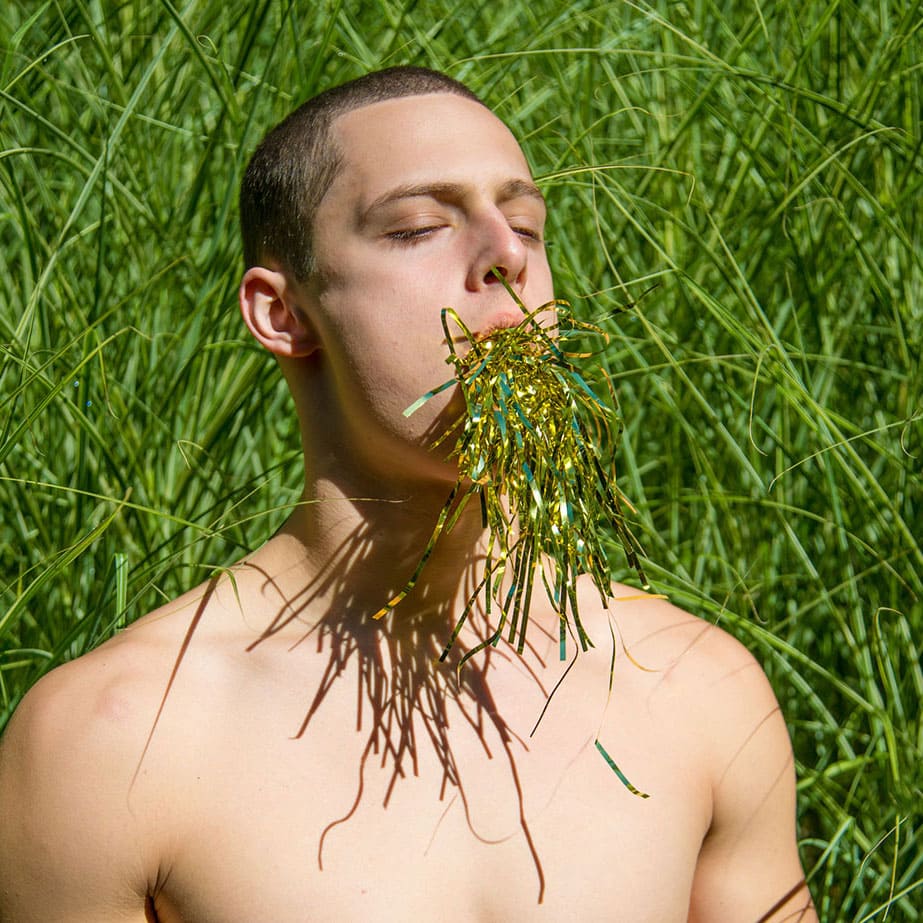
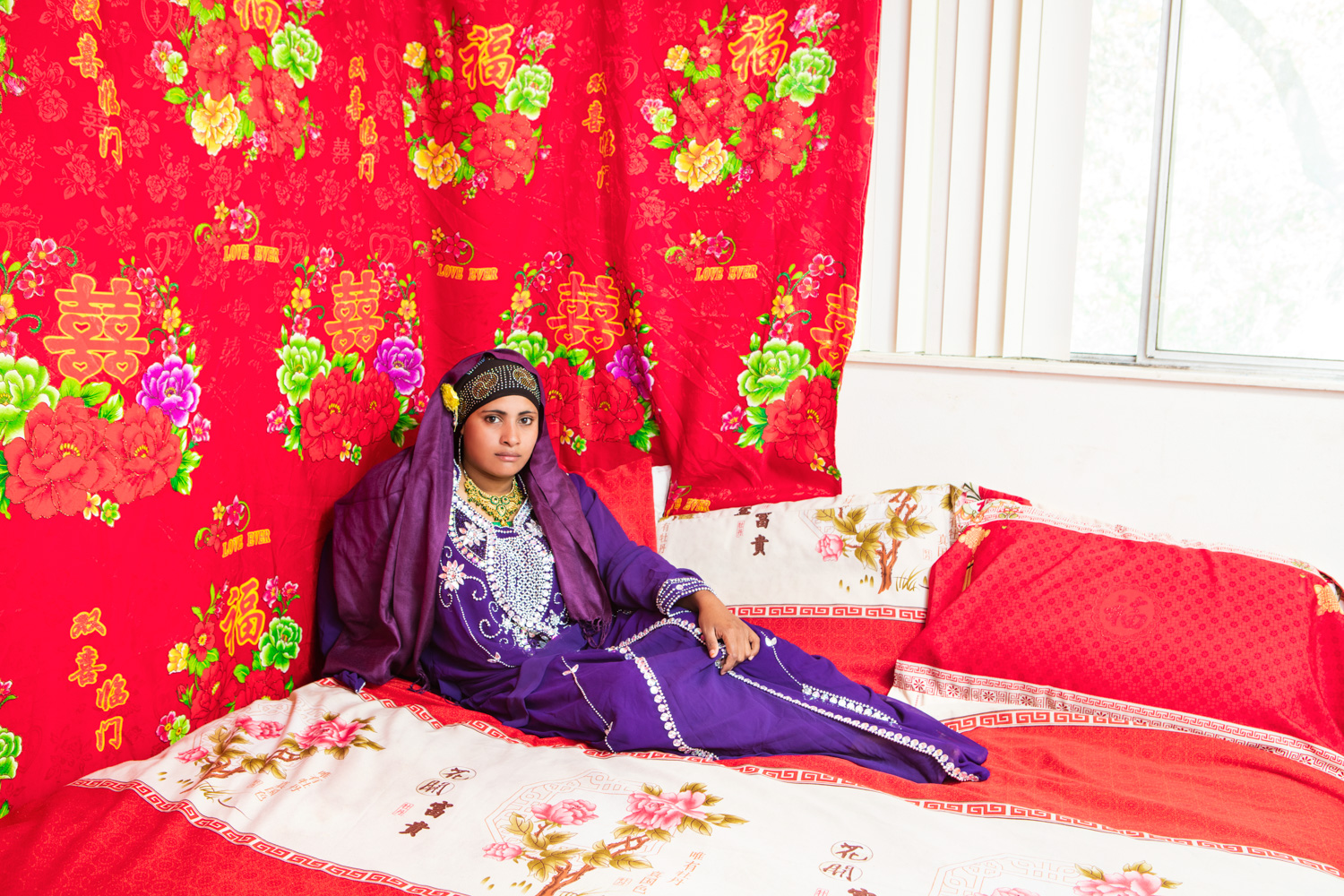
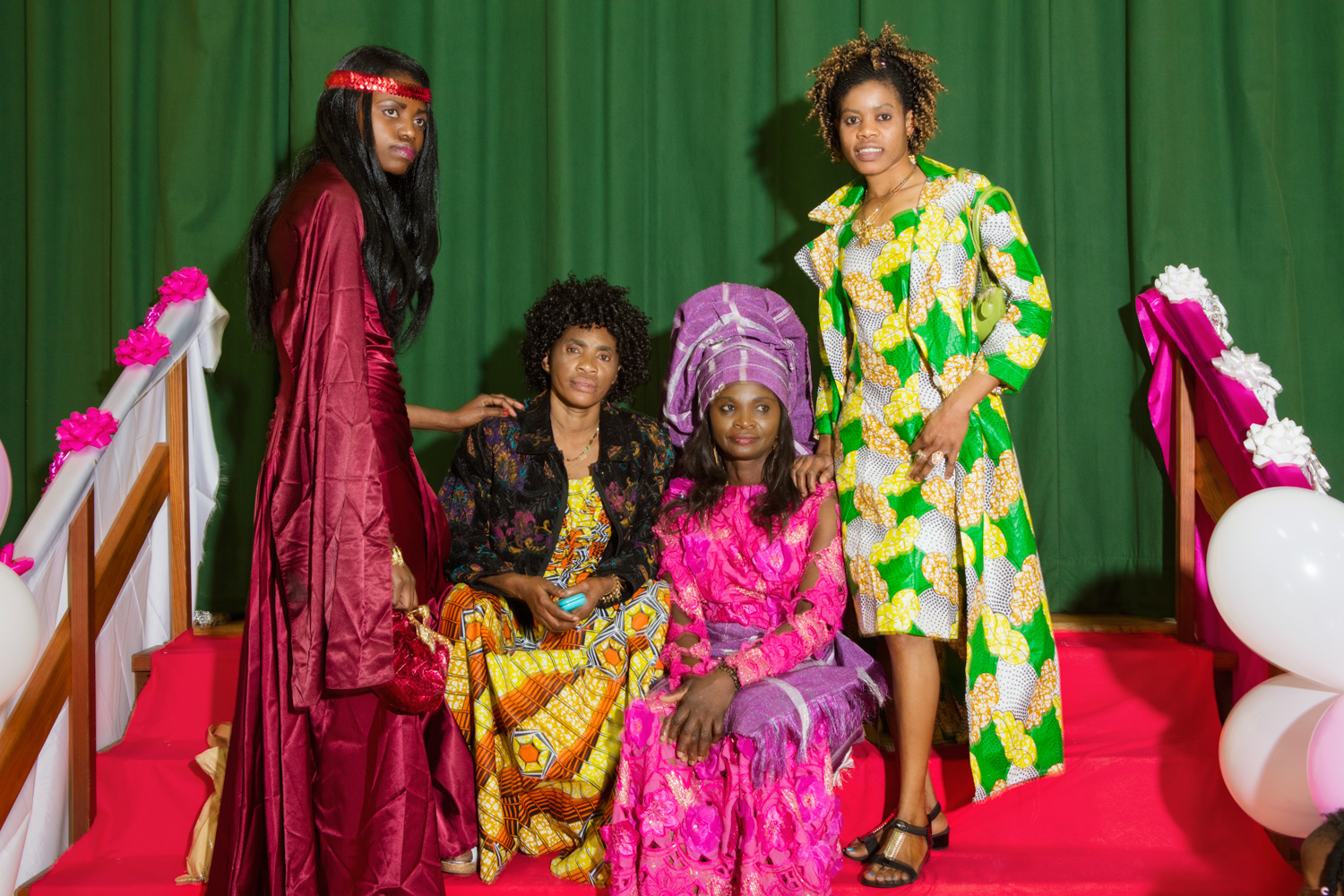
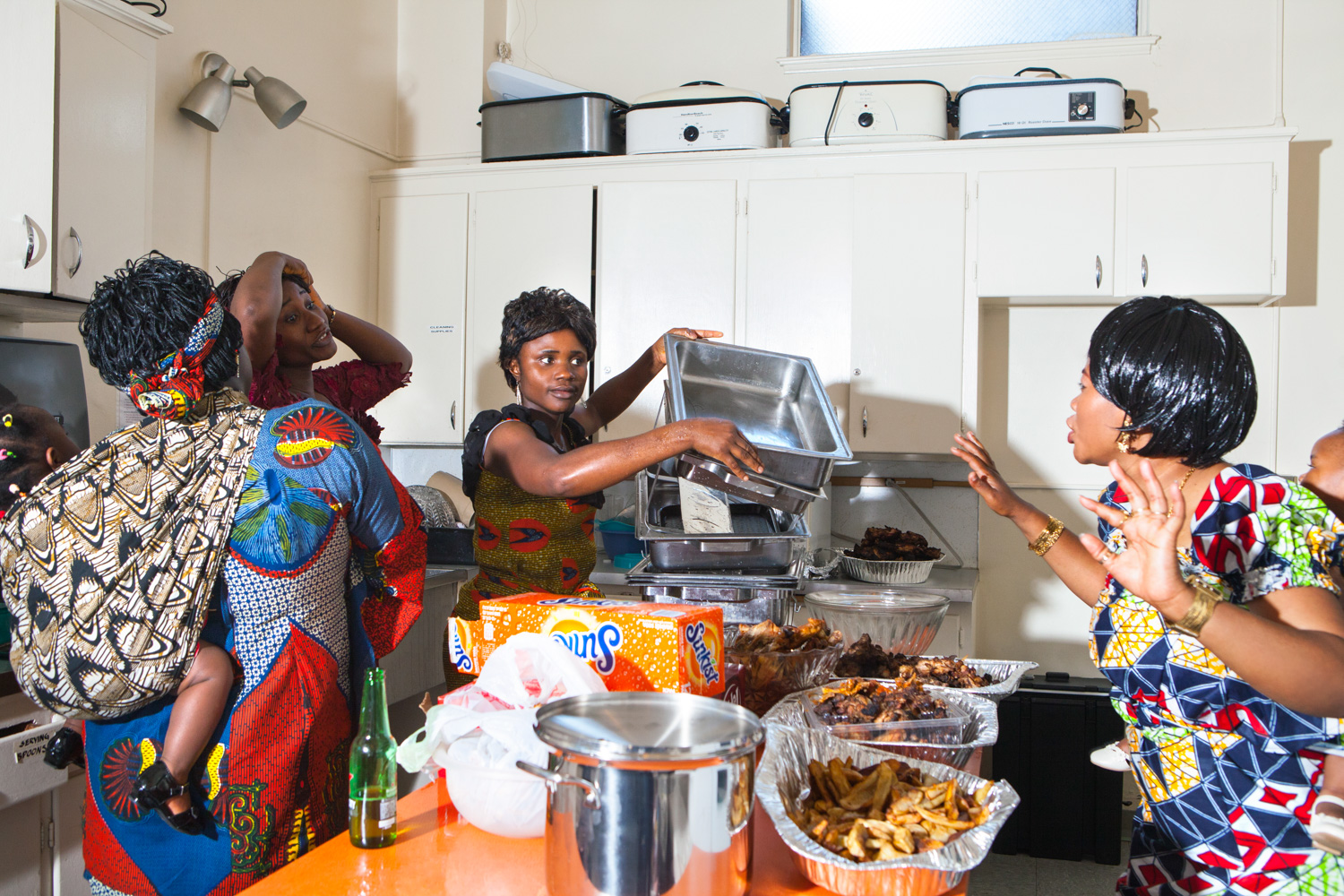
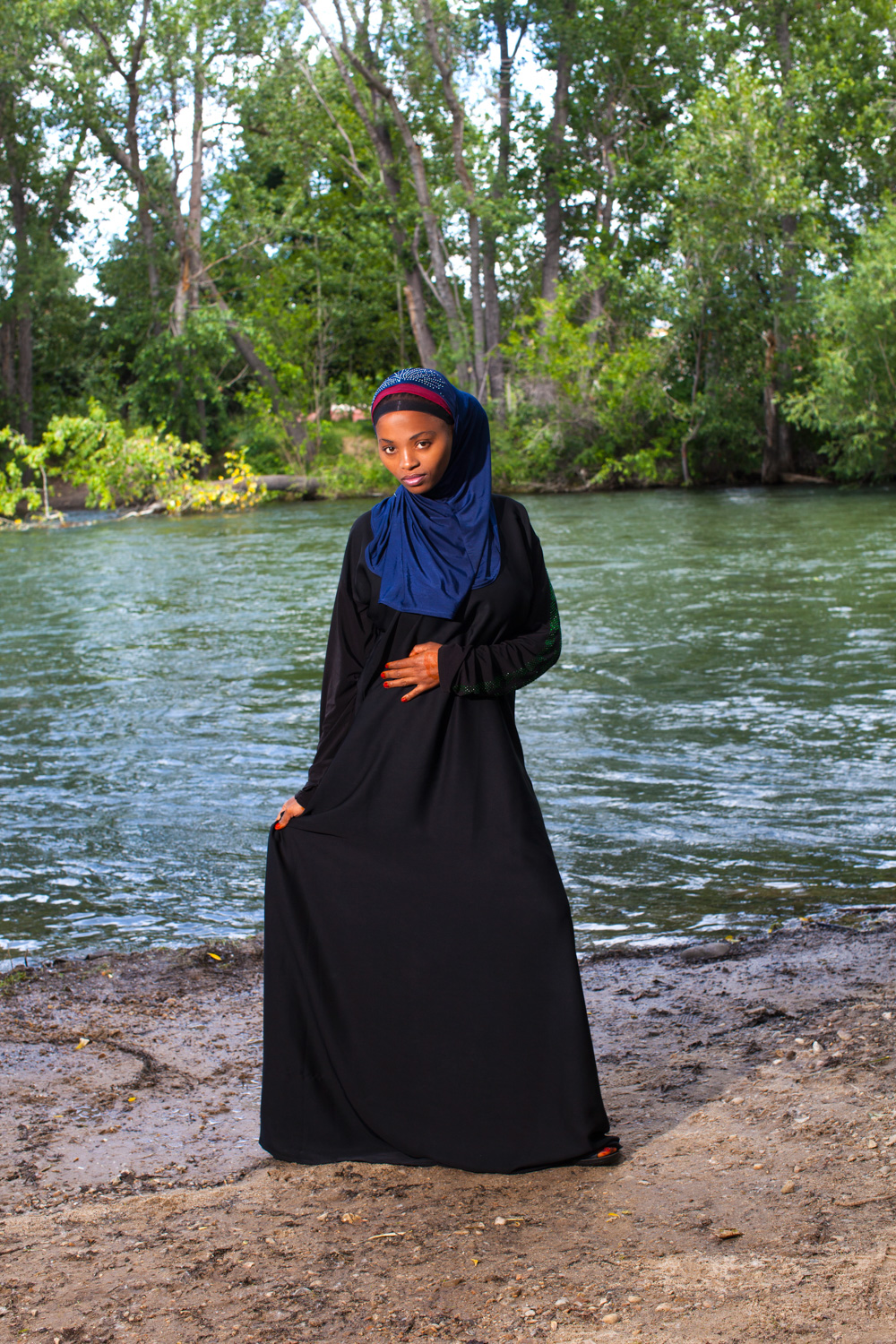
In 2015, Smith founded Stronger Shines the Light Inside, a multimedia project documenting the lives of refugees in America through photographs, film and interviews. In 2015, Smith received a grant from the City of Boise, Idaho to create a large scale, public exhibition showcasing the portraits and interviews of refugees living in Idaho.
In September 2016, Stronger Shines the Light Inside was exhibited on the streets of downtown Boise. A photo essay on the project was published in the New York Times Magazine, the New Republic and National Geographic. Smith was invited to the White House for a summit honoring successful resettlement practices throughout the US. Stronger Shines the Light Inside is expanding to include additional resettlement cities.
Smith has taught numerous photo workshops for National Geographic Student Expeditions, Slideluck Youth Initiative and Young Arts in Los Angeles, Ecuador, Florence, Barcelona, London and Paris.
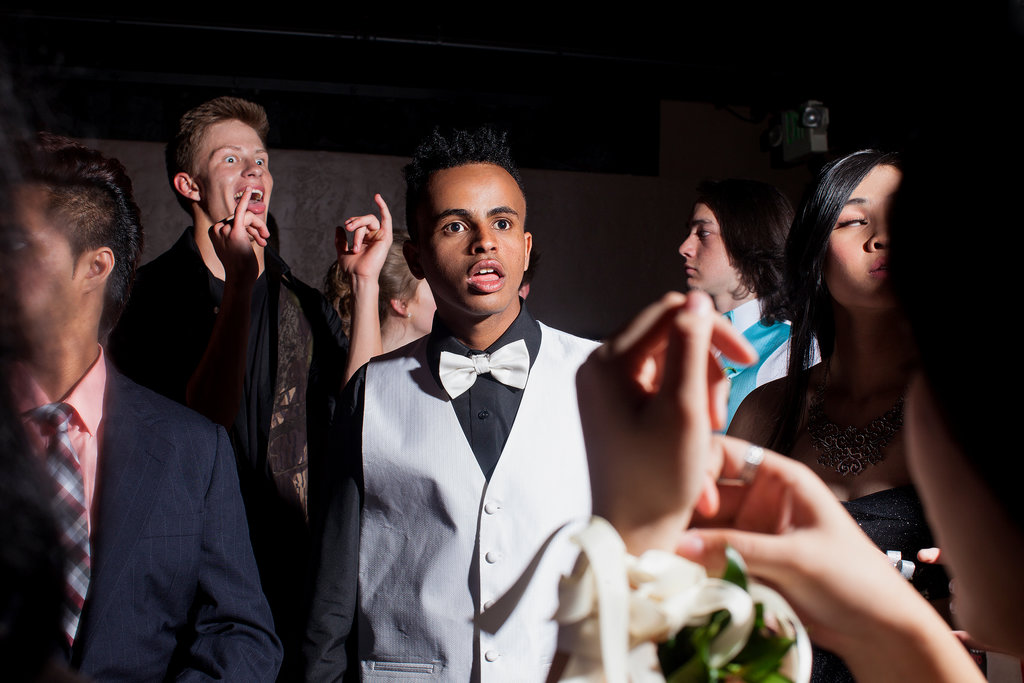
Education scholars have long marveled at the persistence of what they call the “grammar” of the American high school. Practices like grouping students in grades by age, dividing the day into hourlong classes and even arranging desks in rows have endured for at least three-quarters of a century. The grammar of American adolescence sometimes seems similarly immutable. Teenagers are forever in revolt, trying to navigate the tricky transition from childhood dependence to autonomous adulthood. At the same time, they yearn for a new sense of belonging, a way of fitting in with peers.
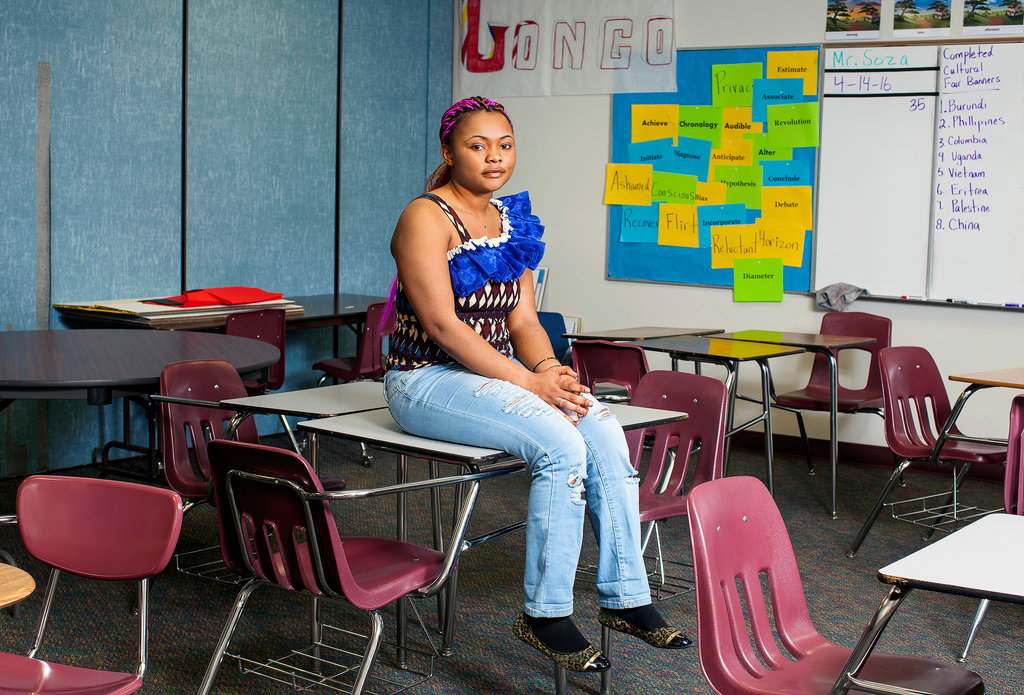
In Boise, Idaho, about 1,300 of the city’s 26,000 students last year were refugees, roughly a third of them in high school. The United States expects to resettle 85,000 refugees in 190 cities and towns nationwide this year. Like their American counterparts, Boise’s student refugees long to fit in, but they face enormous challenges. They arrive in the United States, along with immediate family members, after fleeing persecution in Iraq, the Democratic Republic of Congo, Rwanda or other homelands that have been wracked by war, sectarian violence or ethnic cleansing. In most cases, these students have spent years, sometimes a decade or longer, in refugee camps or on the move in countries adjacent to their homelands, waiting for a chance at permanent resettlement through the United Nations High Commissioner for Refugees. The agency forwards suitable applications to potential host countries, which have the final say about who will be granted residency, an opportunity less than 1 percent of refugees worldwide receive. The security-clearance process in the United States usually takes 18 to 24 months.
When these students land in Idaho, they may know little or no English. The bucolic landscape looks nothing like the America they say they fantasized about from glimpses of pop culture abroad. In this alien setting, young refugees may not want to assert their adolescent independence from parents or other relatives, who most likely represent teenagers’ only earthly ties to the world they formerly knew or people they once held dear. “Some struggle a lot — that comes with these traumatic experiences,” says Christian Lim, a school counselor who runs a program at Hillside Junior High and Borah High School in Boise for recent immigrants. “But the initial couple of months, there’s so much positive energy, just the euphoria to be here.”
Soon, however, a heavier reality sets in. Although refugees receive initial cash assistance and help finding a place to live, these benefits last only eight months. Lim says the subsequent transition for students can be difficult. “They start dealing with financial issues, the family losing their house, and suddenly kids are having to work after school until midnight or two in the morning,” he says.
But mostly, Lim says, he is impressed at how adaptive students are. Abdullah Salman, a Sunni Muslim who first escaped religious persecution in Iraq, only to be trapped in a disintegrating Syria, knew just three words when he arrived in Boise: “Hi,” “bye” and “maybe.” When people asked him his name, he replied, “Maybe.” Two years later, he was writing articles for the school newspaper, The Borah Senator, and volunteering to tutor classmates in math and English after school.
In Boise, all incoming refugee students (along with other immigrants with limited proficiency in English) are initially assessed to determine the level of English-language support they will require. Those whose needs are the greatest are assigned to an English Language Learners (E.L.L.) “bridge” program within Hillside Junior High or Borah High School. In addition to intensive English-language classes, they also take core courses that are modified to support their limited English skills before being transferred to regular high-school classes within two years. Although these teenagers come from a dizzying number of countries and speak a cacophony of different languages — Arabic, Swahili, Dzongkha, Kinyarwanda — they all, Lim says, “share the same narrative: ‘We had to move away from where we were. Bad things were happening. We are trying to have a happy life. This is the good part of our lives.’ ”
Stronger Shines the Light Inside is an ongoing photography project that tells the personal stories of refugees in the United States. In 2015, Los Angeles-based photographer Angie Smith began documenting refugees rebuilding their lives in Boise, Idaho. She’s since photographed communities in Salt Lake City, Albany, New York, and Los Angeles. Stronger Shines the Light Inside helps Americans understand the complexities, struggles, and personal triumphs that refugees experience in their everyday lives.
Of the 65 million displaced people worldwide, only 1% will eventually be resettled in a host country. And of that 1%, each has endured a long and grueling screening process, often spanning years. This project presents refugees as individuals, each with a unique story, grappling with questions of self identity, reconciliation with the past, and sifting through the emotions of adjusting to an entirely new culture.
Every story is different, but each one speaks of hope, of refusal to give up. Many point to a serendipitous moment, a right person at the right time—someone who saved their life while fleeing, who offered a ride to a supermarket on their first day in America, maybe a friendly face who helped them read a bus schedule, or someone who simply smiled and said hello. All speak of their desire to integrate and contribute to the community, and many express gratitude for those who have helped them to do so.