

Go Back Go Back Go Back Go Back Go Back Go Back Go Back Go Back Go Back Go Back Go Back Go Back Go Back Go Back


The Unexpected Joy of Internet Art
Sophie Haigney Sophie Haigney Sophie Haigney Sophie Haigney Sophie Haigney Sophie Haigney Sophie Haigney Sophie Haigney Sophie Haigney Sophie Haigney
Essay Essay Essay Essay Essay Essay Essay Essay Essay Essay
INTERNET
New York Times culture writer Sophie Haigney takes a survey of what is happening in digital art and shares the “unexpected joys of the lockdown”.
From the article published Aug. 26, 2020: “With the closures of museums around the world, we’ve been kept at an odd distance from physical artwork. Though some American museums have started to reopen, many more remain in limbo, as their leaders attempt to figure out how to keep staff and visitors safe; their absence leaves strange, sad holes in weekend afternoons that used to be filled with in-person perusing of paintings, sculptures and photographs.”
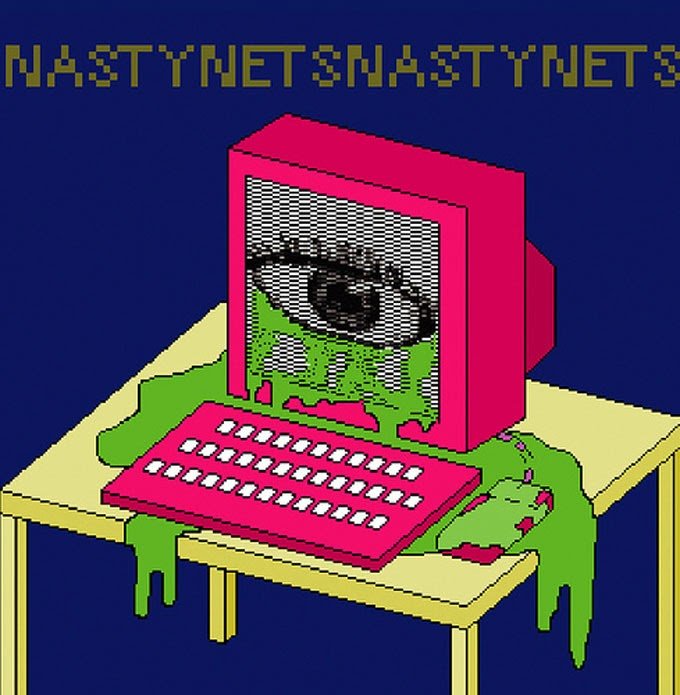
“A kind of infinite scroll spills across your mobile or desktop screen: small-print black text against a white background, punctuated by the occasional red heart emoji. At first, it looks like a long Excel spreadsheet, then a bit like a war memorial.
“All the best — stay strong.”
“Sending love to you and your children.”
“Continued prayers
“One of my favorite works is called “Life Sharing.” “Now you’re in my computer,” a pop-up windows tell you when you open the piece. The artists Eva and Franco Mattes live-shared the contents of their home computer on the internet from 2000to 2003. Bank accounts, email, trash and projects in progress were all made public in what was at once a banal act of sharing and surveillance.
It isn’t just that digital-born art is proximate to our online experience, but that it’s part of it. What’s most moving and refreshing about net art is that we have direct access to it. Right now, much of living is simulated: Work is remote, of course, but we also drink beers with our friends on Zoom to mimic going to a bar; we watch plays on YouTube and make believe we’re in a theater; we go to church via livestream instead of sitting in pews.
This virtualized mode of living has led to some serendipity. But I am tired of simulation and approximation. The beauty of net art is that we can see it the way it was meant to be seen. And it’s composed of the digital matter that has become primary material of our lives.”
“I’ve hopped around some of the new exhibitions that have cropped up during lockdown, including “Well Now WTF?,” featuring more than 100 artists’ digital-born works that make artsy, funny and sometimes dark use of GIFs. I’ve also spent hours scrolling and clicking through the Net Art Anthology, a collection of net art curated by Rhizome, featuring 100 pieces made between the 1980s and the 2010s.”
it’s part of it.